


The Cycle of Alcohol Addiction National Institute on Alcohol Abuse and Alcoholism NIAAA
Drugs like alcohol, cocaine, benzodiazepines, and methamphetamine stimulate the brain’s reward center by flooding the brain with dopamine, which is known as the “feel-good neurotransmitter” because it creates feelings of pleasure. When a person develops an addiction, the brain changes, a clinical concept known as neuroplasticity. Neuroplasticity refers to the brain’s ability to adapt in structure and function in response to new experiences and patterns. Neuroplasticity can be positive when we learn a new skill or language, as the brain creates new neuronal pathways.
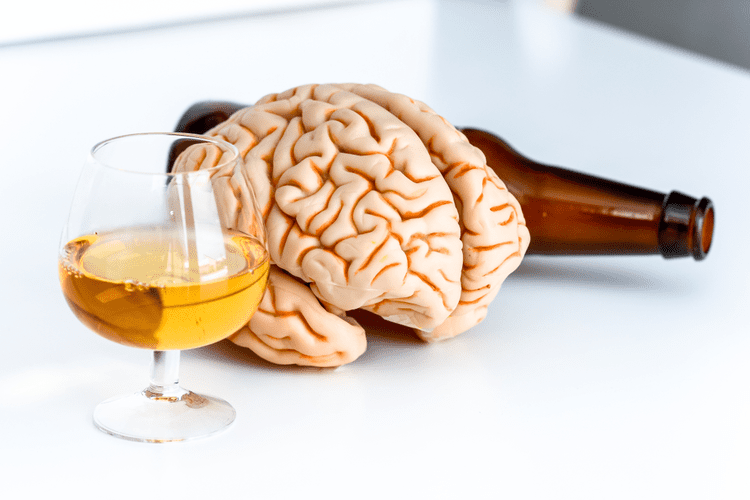
Addiction And The Brain
If you drink coffee every morning to wake yourself up, your body might come to rely on it to be alert and upright. However, it’s important to note there are still wide variations in the way doctors use these terms. The urge may also be triggered by the way you are feeling about something that’s happening in your life. If you have an urge to drink, check if there's a link to how you are feeling. If you are worried about your alcohol use, find out what type of drinker you are by taking our alcohol test. No content on this site, regardless of date, should ever be used as a substitute for direct medical advice from your doctor or other qualified clinician.
Mental Clarity After Quitting Alcohol: What to Expect and How It Improves
Alcohol presents particularly serious consequences in young people due to a higher level of vulnerability to the adverse effects of alcohol (see Section 2.12 on special populations). If you’re worried about your drinking or concerned about someone else, support is available. No matter where you live in the UK, our service finder can help you locate your local, free and confidential alcohol support service. Is alcoholism an habitual addiction or can it also be a chemical one? I have heard that it is not chemical, but have lived with people who needed the alcohol every night. In support of improving patient https://www.mettoafuocophotography.it/addiction-vs-dependence-symptoms-causes-and/ care, CME/CE activities offered have been planned and implemented by the Postgraduate Institute for Medicine and NIAAA.
4.4. Psychiatric comorbidity
- Comorbid psychiatric disorders are considered to be ‘the rule, not the exception’ for young people with alcohol-use disorders (Perepletchikova et al., 2008).
- About 30% of people with alcohol use disorder are able to abstain from alcohol permanently without the help of formal treatment or a self-help program.
- The discussion also encompassed various treatment modalities, ranging from pharmacological interventions to psychosocial and holistic approaches.
- Slips can be fueled by withdrawal symptoms, mental health challenges, and drug-related cues, such as spending time with old drinking partners or visiting old drinking locations.
Habits like drinking after work or during social gatherings become ingrained through repetition and positive reinforcement, even in the absence of physical cravings. Psychological factors, such as stress or trauma, can drive individuals to use alcohol as a coping mechanism. For example, a person might start drinking to alleviate anxiety, eventually associating alcohol with emotional relief.
- Drugs like alcohol, cocaine, benzodiazepines, and methamphetamine stimulate the brain’s reward center by flooding the brain with dopamine, which is known as the “feel-good neurotransmitter” because it creates feelings of pleasure.
- It also explores the role of acamprosate in maintaining abstinence by modulating neurotransmitter systems.
- Adelstein and colleagues (1984) found that cirrhosis mortality rates are higher than the national average for men from the Asian subcontinent and Ireland, but lower than average for men of African–Caribbean origin.
- However, loved ones often want to help, such as by showing solidarity or hosting a gathering that feels safe for their loved one.
- Physiological addiction typically requires medical intervention, such as medications like naltrexone or acamprosate, to manage cravings and withdrawal.
ways to curb your drinking
This neuroadaptation is why quitting alcohol becomes increasingly difficult; the brain craves the dopamine surge it has grown accustomed to, triggering withdrawal symptoms like anxiety, irritability, and cravings when alcohol is absent. Alcohol often serves as a coping mechanism for negative emotions, creating a false sense of relief. For example, a 2020 study found that 30% of individuals with anxiety disorders reported using alcohol to self-medicate. However, this relief is short-lived, and the underlying issues remain unaddressed. Over time, the brain learns to rely on Alcoholics Anonymous alcohol as a crutch, deepening the psychological hold.
- While it is up to you to consider how you feel about your alcohol use habits, know that there are resources available if you would like assistance in changing it.
- The well-known phenomenon of denial, which is a common part of the illness, often turns the illness into a chronic one.
- Substance use disorder (SUD) is a problematic pattern of substance use that affects your health and well-being.
- People can learn mindfulness; rather than trying to soothe uncomfortable feelings with alcohol, mindfulness encourages techniques such as breathing, visualization, and meditation.
Alcohol misuse can also lead to job loss and over 38,000 people of working age in England were claiming Incapacity Benefit with a diagnosis of ‘alcoholism’ – nearly 2% of all claimants (Deacon et al., 2007). A third FDA-approved medication to treat alcohol dependence (disulfiram; Antabuse®) targets alcohol metabolism. Different stressors likewise robustly reinstated extinguished alcohol-reinforced responding in different operant reinstatement models of relapse (Funk et al. 2005; Gehlert et al. 2007; Le et al. 2000, 2005; Liu and Weiss 2002b). This effect appears to involve CRF activity because CRF antagonists block stress-induced reinstatement of alcohol-seeking behavior (Gehlert et al. 2007; Le et al. 2000; Liu and Weiss 2002b). From a clinical standpoint, this is important because it underscores the value of these models in identifying and evaluating new treatment strategies that may be more effective in battling the problem of relapse. Being dependent on alcohol can also affect your relationships with your partner, family and friends, or affect your work and cause financial problems.18 These issues can contribute to depression and anxiety too.
Care at Cleveland Clinic
She has worked in behavioral health since graduating with her bachelor's degree in 2019. Comparatively, physical dependence on alcohol mirrors that of opioids or benzodiazepines, though the mechanisms differ. While opioids primarily affect the mu-opioid receptors, alcohol impacts GABA and glutamate systems, creating a unique withdrawal profile. Unlike psychological addiction, which can be managed through behavioral therapy alone, physical dependence often requires medical intervention.
What Parts Of The Brain Are Affected By Drug Use?
Physical dependence happens when your body starts to rely on a substance to function. When you stop using the substance, you experience physical symptoms of withdrawal. Psychological addiction to alcohol is often linked to underlying mental health issues or past trauma. Many individuals turn to alcohol as a way to self-medicate, but this only exacerbates the problem. Almost always, people feel nervous or defensive about their drinking, which is one reason this very common problem so often goes undetected or unaddressed.
Psychological dependence occurs when a person drinks in order to function "normally" and feel good. If a person stops drinking, they may experience changes in mood such as anxiety, depression, or irritability. Physical dependence, on the other hand, is when a person's body adapts to chronic use of alcohol physiological dependence and results in physical symptoms—such as vomiting and diarrhea—when the person stops drinking.